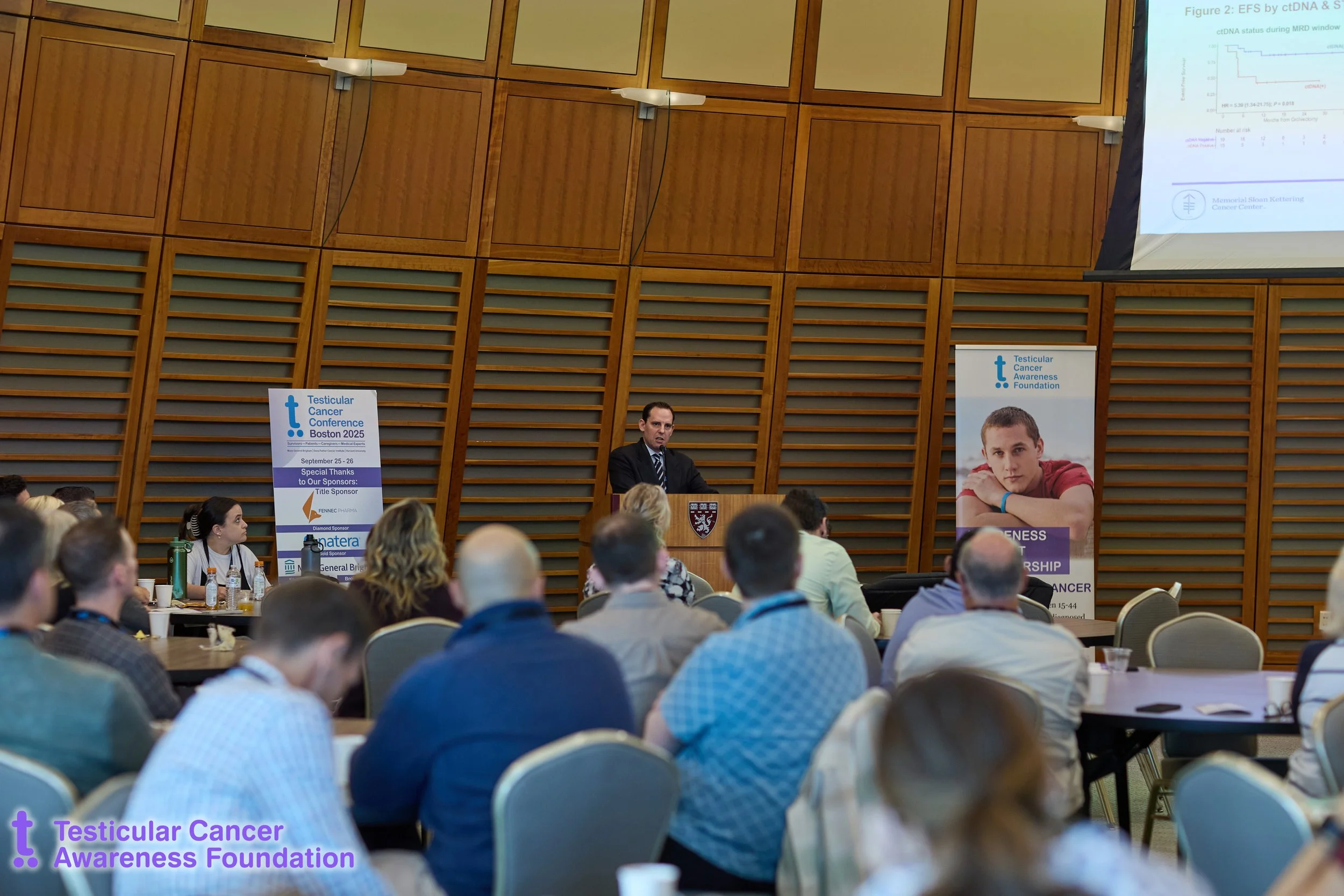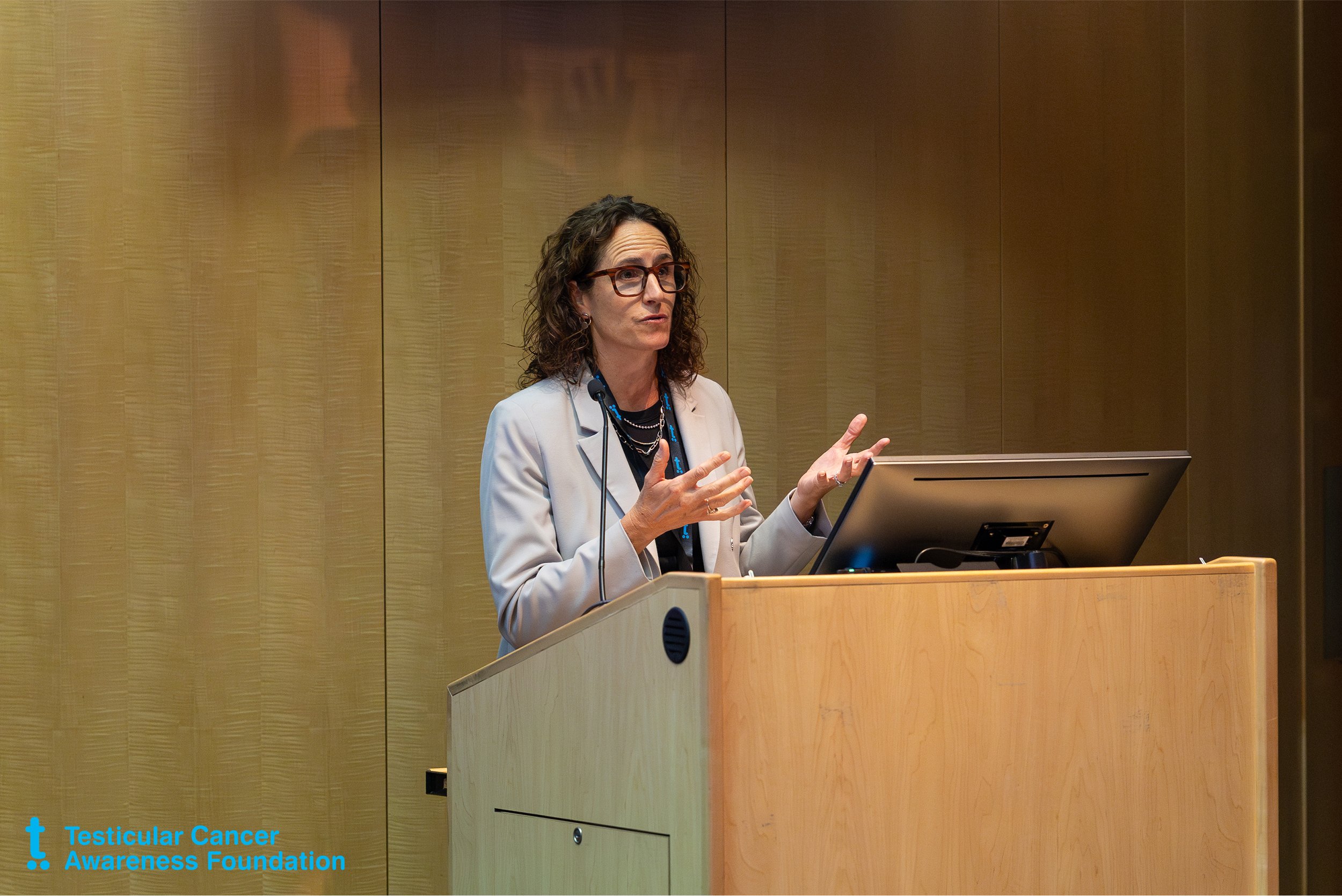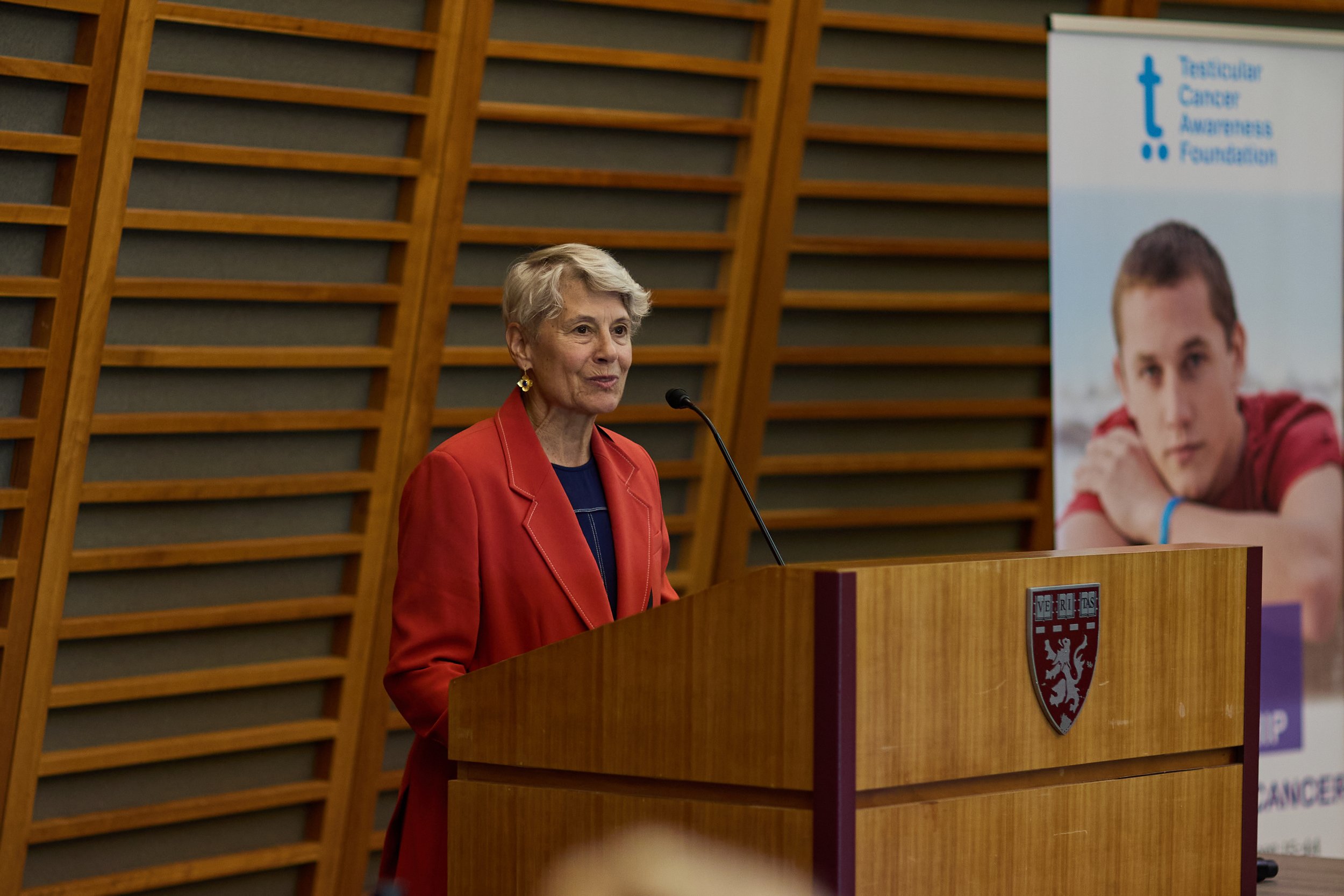
At the 2025 Testicular Cancer Conference, Dr. Lindsay Frazier discussed how international collaboration is accelerating research for testicular cancer and other germ cell tumors through the Malignant Germ Cell Tumor International Consortium (MaGIC).
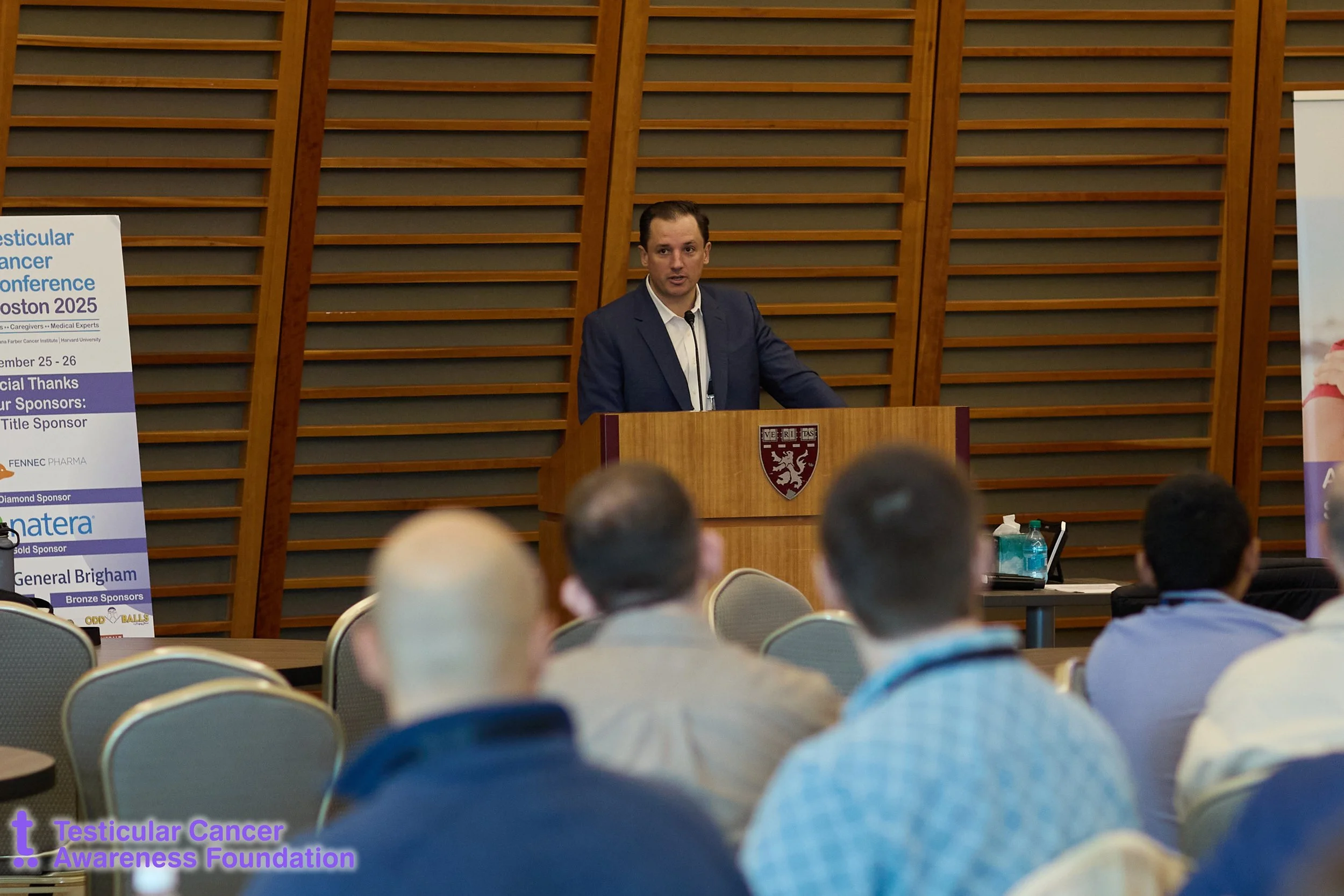
Read MoreDr. Feldman began by reflecting on the history of testicular cancer treatment and the dramatic shift brought about by cisplatin-based chemotherapy. Key takeaways included:
Before cisplatin, metastatic testicular cancer was often fatal, with most patients not surviving
The introduction of cisplatin is considered one of the greatest medical advances of the 20th century
Survival rates for metastatic disease improved from roughly 20% to nearly 80%
While highly effective, cisplatin is associated with significant short- and long-term side effects, making toxicity reduction an ongoing priority
Dr. Feldman began by reflecting on the history of testicular cancer treatment and the dramatic shift brought about by cisplatin-based chemotherapy. Key takeaways included:
Before cisplatin, metastatic testicular cancer was often fatal, with most patients not surviving
The introduction of cisplatin is considered one of the greatest medical advances of the 20th century
Survival rates for metastatic disease improved from roughly 20% to nearly 80%
While highly effective, cisplatin is associated with significant short- and long-term side effects, making toxicity reduction an ongoing priority
The Testicular Cancer Awareness Foundation (TCAF) celebrated its 10th annual Testicular Cancer Conference in Boston, bringing together patients, survivors, caregivers, and leading medical experts to highlight 16 years of progress in awareness, survivorship, and research.
Read MoreCelebrating 16 years of raising awareness, supporting survivors, and promoting early detection, the Testicular Cancer Awareness Foundation reflects on milestones, events, and partnerships that have helped save lives-including the Deadpool PSA, the World Marathon Challenge, golf tournaments, and our Testicular Cancer Conference Boston 2025.
Read MoreBrian emphasized the importance of humor, support, and staying active during his treatment. He continued working remotely, often sharing light-hearted moments with his boss and colleagues, who were supportive throughout his journey. His cat, family, and especially his wife Jamie provided immense emotional support.
Read MoreDr. Hsieh emphasized that understanding and treating testosterone deficiency is a vital part of survivorship care for testicular cancer patients. He encouraged survivors to advocate for themselves and consult healthcare professionals to manage symptoms effectively.
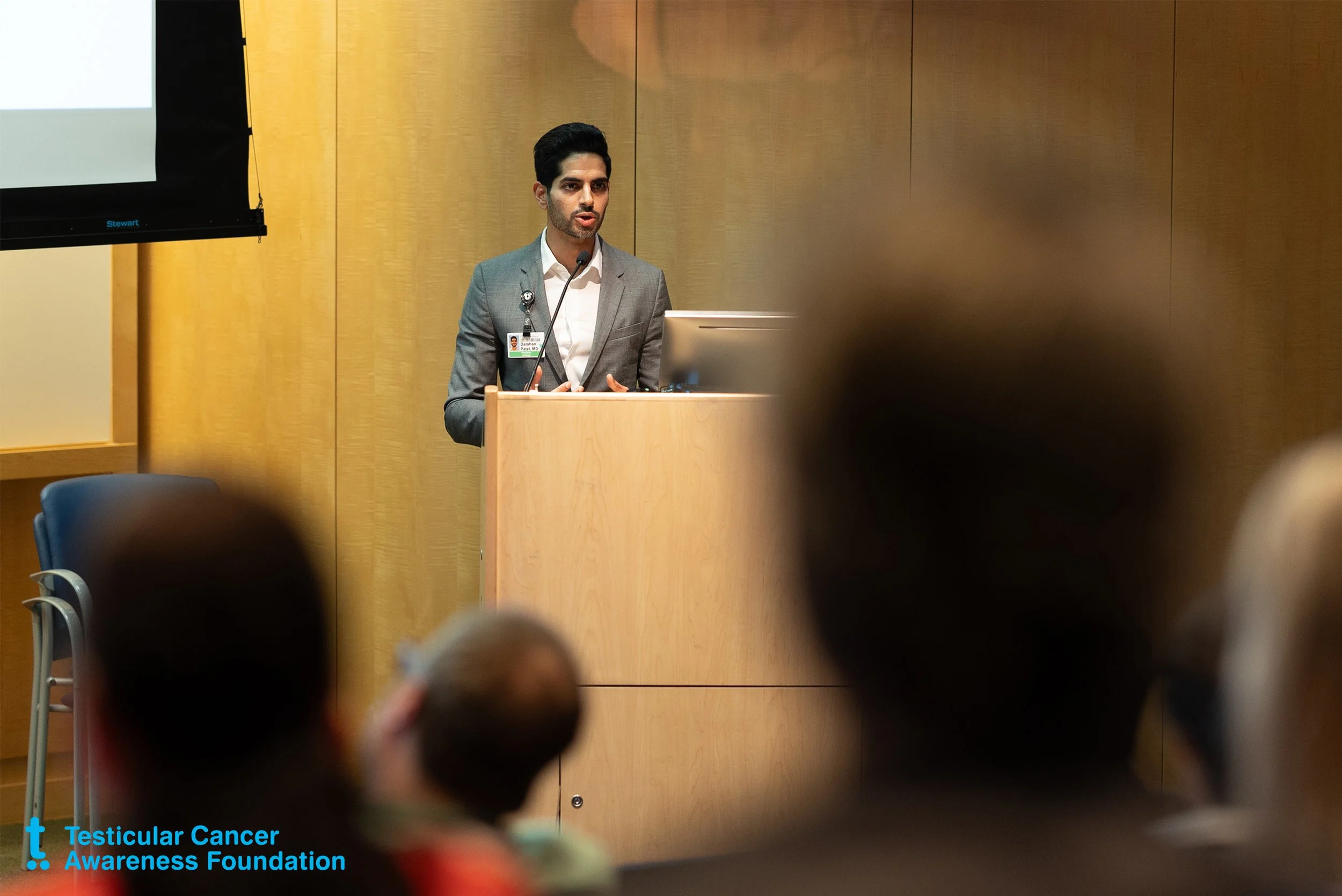
Read MoreDr. Patel emphasized the importance of early fertility preservation discussions before any cancer treatment begins. Personalized care, thorough counseling, and access to reproductive technologies are crucial for optimizing fertility outcomes in testicular cancer survivors. Addressing both medical and psychosocial factors enables patients to make informed decisions about their reproductive health.
Read More"Livestrong at the YMCA" offers a comprehensive approach to cancer recovery, combining personalized exercise with peer support to enhance physical and emotional well-being. The program helps survivors regain confidence, return to daily activities, and establish lifelong healthy habits within a supportive community.
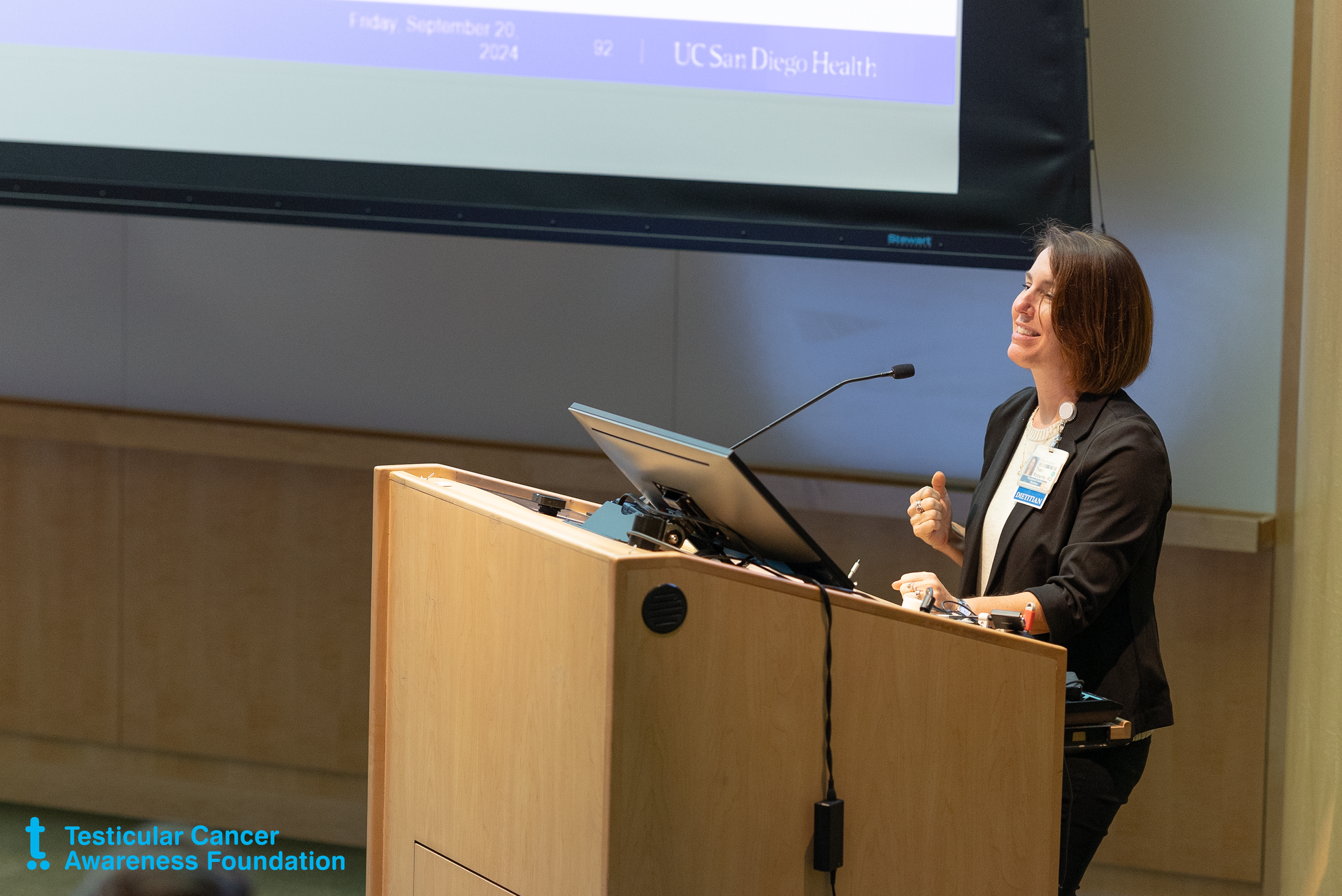
Read MoreRoberts reiterated that these longstanding recommendations include eating a variety of foods, maintaining a healthy weight, limiting saturated fats, sugars, and sodium, and consuming alcohol in moderation. She stressed that these guidelines are applicable to cancer prevention, during treatment, and in survivorship.
Read MoreThey are conducting the Bridge Study, partnering with various cancer foundations, including the Testicular Cancer Awareness Foundation, to evaluate the effectiveness of these AI-generated summaries among patients with testicular cancer. Participants will compare original abstracts with AI-generated summaries to assess understandability, preference, and the time taken to comprehend the information.
Read MoreDr. Millard highlighted that pre-existing mental health issues can affect how patients cope with cancer. He shared the case of "Danny," a 28-year-old patient who refused chemotherapy despite a high cure rate for his condition, ultimately leading to his death.
Read More